Balanced diet advice for cancer control
A US study conducted two decades ago suggested that nearly 35% of cancer deaths could be prevented through changes in diet. Since then, studies on cancer-protective and cancer-promoting diets have been carried out extensively worldwide.
Most studies have failed to identify food items as direct cancer-causing agents. Except for red meat, dairy products, and calcium, no other food items appear to play a significant role in the cancer process. A review found that consuming more than 120 grams of red meat per day increases the risk of colorectal cancer by 24%. The association is even stronger for processed meat, with intake greater than 30 grams per day. Some studies have also shown that eating red meat less than three times a week may have a lower effect on breast cancer risk than eating red meat every day.
Although no definitive link has been established between colorectal cancer and calcium, many studies have suggested a possible association. Some research has warned that excessive intake of calcium and dairy products may increase the risk of prostate cancer in men and ovarian cancer in women.
Vitamin D, folic acid, carotenoids, and soy products have been reported in many studies to have an inverse association with cancer. Vitamin D is obtained from sunlight and medications, folic acid from foods such as oranges, beetroot, and peas, and carotenoids from many fruits and vegetables such as papaya and cooked tomatoes.
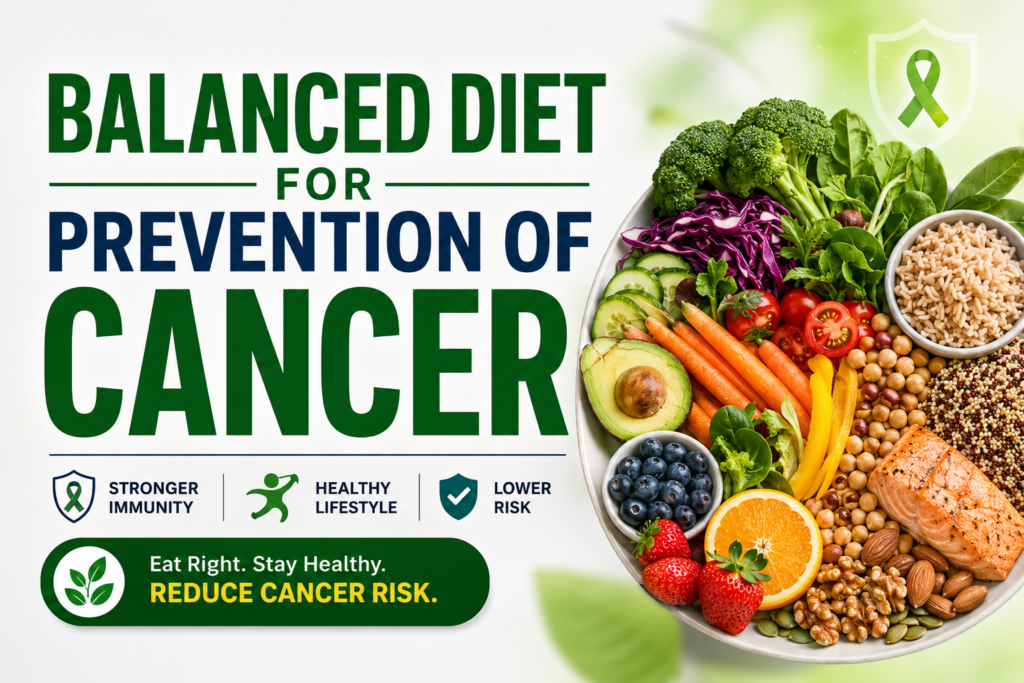
Based on research findings, many health organizations have issued public guidelines. In summary, more than half of the diet should be plant-based, including fruits, vegetables, grains, seeds, oils, and soy products. Animal-based foods should make up less than half of the diet; these include meat, poultry, fish, eggs, milk, and honey. Red meat should be limited to less than 30 grams per week. Processed foods are not advisable. Alcohol should be avoided. No supplements are needed for a good diet, such as vitamin tablets, powders, or tonics. Vitamin D, which is not adequately available through food, can be checked by a blood test and used as a supplement if necessary under a doctor’s advice.
ಎರಡು ದಶಕಗಳ ಹಿಂದೆ ನಡೆದ ಯುಎಸ್ ನ ಒಂದು ಸಂಶೋಧನೆಯಲ್ಲಿ ಆಹಾರ ಪದ್ಧತಿಯ ಮಾರ್ಪಾಡಿನಿಂದ ಶೇಖಡ 35 ರಷ್ಟು ಕ್ಯಾನ್ಸರ್ ಸಾವುಗಳನ್ನು ತಡೆಯಬಹುದೆಂದು ಪ್ರವಾದಿಸಿದ ನಂತರ ವಿಶ್ವಾದ್ಯಂತ ಕ್ಯಾನ್ಸರ್ ಪೂರಕ ಹಾಗೂ ಕ್ಯಾನ್ಸರ್ ಮಾರಕ ಪಥ್ಯಕ್ಕಾಗಿ ಅಧ್ಯಯನಗಳು ಹೇರಳವಾಗಿ ನಡೆಯುತ್ತಿವೆ.ಆಹಾರ ಪದಾರ್ಥಗಳನ್ನು ಕ್ಯಾನ್ಸರ್ ಕಾರಕವಾಗಿ ಗುರುತಿಸುವಲ್ಲಿ ಬಹುತೇಕ ಸಂಶೋಧನೆಗಳು ಸೋತಿವೆ. ರೆಡ್ ಮೀಟ್ (ಕೆಂಪು ಮಾಂಸ), ಹಾಲಿನ ಉತ್ಪನ್ನಗಳು ಹಾಗೂ ಕ್ಯಾಲ್ಸಿಯಂ ಅನ್ನು ಹೊರತು ಪಡಿಸಿ ಉಳಿದ ಯಾವುದೇ ಆಹಾರ ಪದಾರ್ಥಗಳು ಕ್ಯಾನ್ಸರ್ ಪ್ರಕ್ರಿಯೆಯಲ್ಲಿ ಗಣನೀಯ ಪಾತ್ರ ವಹಿಸುವುದಿಲ್ಲ ಎಂದು ಅಧ್ಯಯನಗಳು ತಿಳಿಸಿವೆ. ರೆಡ್ ಮೀಟ್ (ಸಸ್ತನಿಗಳ ಮಾಂಸ ಉದಾ: ನಾಯಿ, ಹಂದಿ, ಗೋವು, ಕುರಿ, ಮೇಕೆ, ಜಿಂಕೆ) ಅನ್ನು ದಿನಕ್ಕೆ 120 ಗ್ರಾಂ ಗಳಿಗಿಂತ ಅಧಿಕವಾಗಿ ಸೇವಿಸುವುದರಿಂದ ದೊಡ್ಡ ಕರುಳಿನ ಕ್ಯಾನ್ಸರ್ ನ ಸಂಭವ ಶೇಖಡ 24ರಷ್ಟು ಅಧಿಕವಾಗುತ್ತದೆ ಎಂದು ಒಂದು ಸಮೀಕ್ಷೆಯಿಂದ ತಿಳಿದುಬಂದಿದೆ. ಈ ಪೂರಕ ಸಂಬಂಧ ಸಂಸ್ಕರಿಸಿದ ಮಾಂಸಗಳಿಗೆ (ಪ್ರೊಸೆಸ್ಡ್ ಮೀಟ್ ದಿನಕ್ಕೆ >30 ಗ್ರಾಂ) ಇನ್ನೂ ಅಧಿಕವಾಗಿದೆ ಎಂದು ಅದೇ ಸಮೀಕ್ಷೆಯಿಂದ ತಿಳಿದುಬಂದಿದೆ. ಸ್ತನ ಕ್ಯಾನ್ಸರ್ ನ ಸಂಭವದ ಮೇಲೆ ವಾರದಲ್ಲಿ ಮೂರಕ್ಕಿಂತ ಕಡಿಮೆ ಬಾರಿಯ ರೆಡ್ ಮೀಟ್ ಸೇವನೆ ಪ್ರತಿನಿತ್ಯದ ರೆಡ್ ಮೀಟ್ ಸೇವನೆಗಿಂತ ಕಡಿಮೆ ಪ್ರಭಾವ ಬೀರುತ್ತದೆ ಎಂದು ಕೆಲವು ಸಂಶೋಧನೆಗಳು ತಿಳಿಸಿವೆ.ದೊಡ್ಡ ಕರುಳಿನ ಕ್ಯಾನ್ಸರ್ ನ ಜೊತೆ ಕ್ಯಾಲ್ಸಿಯಂನ ನಿರ್ದಿಷ್ಟ ಸಂಬಂಧವನ್ನು ಪ್ರತಿಪಾದಿಸದಿದ್ದರೂ ಅನೇಕ ಅಧ್ಯಯನಗಳು ಇದರ ಸಾಧ್ಯತೆಗಳ ಬಗ್ಗೆ ಪ್ರವಾದಿಸಿವೆ. ಅಗತ್ಯಕ್ಕಿಂತಲೂ ಹೆಚ್ಚಿನ ಕ್ಯಾಲ್ಸಿಯಂ ಹಾಗೂ ಹಾಲಿನ ಉತ್ಪನ್ನಗಳ ಸೇವನೆಯಿಂದ ಪುರುಷರಲ್ಲಿ ಪ್ರಾಸ್ಟೇಟ್ ಕ್ಯಾನ್ಸರ್ ಹಾಗೂ ಮಹಿಳೆಯರಲ್ಲಿ ಅಂಡಾಶಯದ (ಓವರಿ) ಕ್ಯಾನ್ಸರ್ ನ ಸಾಧ್ಯತೆ ಹೆಚ್ಚಬಹುದು ಎಂದು ಕೆಲವು ಸಂಶೋಧನೆಗಳು ಎಚ್ಚರಿಸಿವೆ.ವಿಟಮಿನ್ ಡಿ (ಸೂರ್ಯಕಿರಣಗಳಿಂದ ಹಾಗೂ ಔಷಧಗಳಿಂದ ಮಾತ್ರ ಲಭ್ಯವಿರುವ ಜೀವಸತ್ವ), ಫೋಲಿಕ್ ಆಸಿಡ್ (ಕಿತ್ತಳೆ, ಬೀಟ್ ರೂಟ್, ಬಟಾಣಿ ಇತ್ಯಾದಿಗಳಿಂದ ಲಭ್ಯ), ಕೆರೋಟಿನಾಯ್ಡ್ಸ್ (ಅನೇಕ ಹಣ್ಣು ತರಕಾರಿಗಳಿಂದ ಲಭ್ಯ ಉದಾ: ಪರಂಗಿ ಹಣ್ಣು, ಬೇಯಿಸಿದ ಟೊಮೆಟೊ) ಮತು ಸೋಯಾ ಉತ್ಪನ್ನಗಳು ಕ್ಯಾನ್ಸರ್ ನೊಂದಿಗೆ ವ್ಯತಿರಿಕ್ತ ಸಂಬಂಧ ಹೊಂದಿವೆ ಎಂದು ಅನೇಕ ಸಂಶೋಧನೆಗಳು ಪ್ರತಿಪಾದಿಸಿವೆ.ಸಂಶೋಧನೆಗಳ ಫಲಿತಾಂಶಗಳನ್ನು ಅವಲೋಕಿಸಿ ಅನೇಕ ಆರೋಗ್ಯ ಸಂಸ್ಥೆಗಳು ಸಾರ್ವಜನಿಕರಿಗಾಗಿ ಮಾರ್ಗಸೂಚಿಗಳನ್ನು ಪ್ರಕಟಿಸಿವೆ. ಅವುಗಳ ಸಾರಾಂಶದಂತೆ ಆಹಾರದ ಅರ್ಧಕ್ಕಿಂತಲೂ ಹೆಚ್ಚಿನ ಪಾಲು ಸಸ್ಯಾಧಾರಿತವಾಗಿರಬೇಕು. ಹಣ್ಣು-ತರಕಾರಿಗಳು, ಧಾನ್ಯಗಳು, ಬೀಜಗಳು, ಎಣ್ಣೆ ಹಾಗೂ ಸೋಯಾ ಉತ್ಪನ್ನಗಳು ಈ ಗುಂಪಿಗೆ ಸೇರಿಕೊಳ್ಳುತ್ತವೆ. ಪಶು ಆಧಾರಿತ ಆಹಾರವನ್ನು ಅರ್ಧಕ್ಕಿಂತ ಕಡಿಮೆ ಪಾಲಿನಲ್ಲಿ ಸೇವಿಸಬೇಕು. ಮಾಂಸ, ಕೋಳಿ, ಮೀನು, ಮೊಟ್ಟೆ, ಹಾಲು, ಜೇನುತುಪ್ಪ ಮುಂತಾದವು ಈ ಗುಂಪಿಗೆ ಸೇರಿಕೊಳ್ಳುತ್ತವೆ. ಕೆಂಪು ಮಾಂಸವನ್ನು (ರೆಡ್ ಮೀಟ್) ವಾರದಲ್ಲಿ 30 ಗ್ರಾಂಗಳಿಗಿಂತ ಕಡಿಮೆ ಸೇವಿಸಬೇಕು. ಸಂಸ್ಕರಿಸಿದ ಆಹಾರಗಳನ್ನು ಸೇವಿಸುವುದು ಸೂಕ್ತವಲ್ಲ. ಮದ್ಯಸೇವನೆಯನ್ನು ತ್ಯಜಿಸಬೇಕು. ಉತ್ತಮ ಆಹಾರ ಪದ್ಧತಿಗೆ ಯಾವುದೇ ಪೂರಕಗಳ ಅಗತ್ಯವಿಲ್ಲ (ಉದಾ: ವಿಟಮಿನ್ ಮಾತ್ರೆಗಳು. ಲೇಹ, ಚೂರ್ಣಗಳು). ಆಹಾರದಿಂದ ಲಭ್ಯವಿಲ್ಲದ ವಿಟಮಿನ್ ಡಿ ಜೀವಸತ್ವವನ್ನು ರಕ್ತ ಪರೀಕ್ಷೆಯಿಂದ ತಿಳಿದುಕೊಂಡು ಅಗತ್ಯವಿದ್ದಲ್ಲಿ ವೈದ್ಯರ ಸಲಹೆಯೊಂದಿಗೆ ಡಿ ಜೀವಸತ್ವದ ಪೂರಕಗಳನ್ನು ಬಳಸಬಹುದು.